- Silvio Bicciato
- University of Padova
- Francesca Ciccarelli
- Barts Cancer Institute & The Francis Crick Institute
- Ivan G. Costa
- RWTH Aachen University
- Christine Orengo
- University College London
- Graziano Pesole
- Università di Bari
- Paul Thomas
- University of Southern California & Swiss Institute of Bioinformatics
- Gábor Erdős
- Eötvös Loránd University
- Filippo Utro
- IBM T.J. Watson Research Center
 Silvio Bicciato is a Professor of Industrial Bioengineering at the University of Padova. Trained as a Chemical Engineer, he earned his PhD in Chemical Engineering from the same institution. In 1996, he was awarded a NATO-CNR postdoctoral fellowship to join the Metabolic Engineering Laboratory led by Prof. Gregory N. Stephanopoulos at the MIT Department of Chemical Engineering (Cambridge, USA), where he deepened his expertise in systems and computational approaches to biological complexity.
Since 1997, his research has focused on the development and application of bioinformatics and computational methods for the analysis of high-throughput genomic data. In 2008, he founded the Bioinformatics Core Unit at the Center for Genome Research of the University of Modena and Reggio Emilia, which he directed until 2023, establishing it as a reference hub for integrative multi-omics analysis.
Over the past decade, his group has developed algorithms, computational frameworks, and analytical tools for the multidimensional integration of genomics, transcriptomics, epigenomics, proteomics, and phenotypic data. By combining multi-omics technologies with advanced computational modeling, his research has contributed to uncovering new layers of molecular connectivity between the genome and its functional outputs, with applications in oncogenomics, immunogenomics, and neuroscience.
His current research focuses on computational approaches to dissect the spatial, architectural, and functional heterogeneity of cellular ecosystems within tissues. In particular, he develops methods to characterize spatial tumor organization, reconstruct cellular neighborhoods, and model the dynamics of tissue architectures, with the goal of advancing mechanistically interpretable and clinically relevant computational oncology.
Lecture title and abstract: Computational analysis of single-cell spatial omics data: challenges and opportunities
The spatial organization of cells within tissues is a fundamental determinant of biological function and disease behavior. While single-cell transcriptomic and proteomic technologies have transformed our understanding of cell identity and state, dissociative approaches disrupt tissue architecture and obscure the higher-order spatial structures that shape multicellular ecosystems. Single-cell spatial omics technologies now enable highly multiplexed molecular profiling at subcellular resolution while preserving native tissue context, creating unprecedented opportunities to investigate cellular organization in situ.
The rapid expansion of these platforms has shifted the analytical bottleneck from data generation to data interpretation. Spatial omics datasets are inherently multi-layered, combining molecular measurements, spatial coordinates, and cell morphological features. Extracting biologically meaningful and reproducible insights from these data requires computational strategies that move beyond cell-level annotation toward principled modeling of tissue architecture.
This presentation will outline the key computational challenges and emerging opportunities in the analysis of imaging-based spatial omics data. These include robust quality control and artifact detection; accurate cell type identification; quantitative characterization of higher-order spatial organization; inference of cell-cell interactions; and the derivation of interpretable tissue-level representations linked to clinical outcomes. Each of these steps presents computational criticalities, yet they are essential for converting spatially resolved molecular measurements into mechanistic understanding of tissue organization and into clinically relevant, robust biomarkers.
 Francesca Ciccarelli is Professor of Cancer Genomics at Queen Mary University of London and Professor of Molecular Biology at the University of Milan. She leads the Centre for Cancer Evolution at Barts Cancer Institute and is Principal Group Leader at the Francis Crick Institute in London. Francesca graduated in Pharmaceutical Chemistry at the University of Bologna and did her PhD at the EMBL in Heidelberg, where she studied the evolution of genes and genomes using comparative genomics and phylogenetics. Francesca started her independent research group at the European Institute of Oncology in Milan pioneering the use of genomics and systems biology to study cancer evolution. She then moved to London where her multidisciplinary team of biologists, mathematicians, oncologists, engineers, and computer scientists applied genetics, imaging and theoretical modelling to study cancer evolution in time and space.
Francesca co-leads the Cancer Evolution Theme of the CRUK City of London Cancer Centre, and her work is supported by Cancer Research UK, the MRC, and the European Research Council (ERC).
Lecture title and abstract: Determinants of response to immunotherapy in colon cancer: why space matters
Anticancer therapy based on immune checkpoint inhibition (ICI) has revolutionised the treatment of mismatch repair deficient (dMMR) or microsatellite instable (MSI-H) advanced or metastatic colorectal cancer (CRC). However, fewer than 50% of dMMR CRC patients respond to ICI Moreover, dMMR CRCs constitute less than 10% of all CRCs, leaving most patients with a proficient mismatch repair (pMMR) CRC ineligible to receive ICI. Identifying and expanding the patient population benefitting from ICI remains a pressing clinical need.
Responsiveness to ICI depends on tumour-intrinsic and extrinsic factors and understanding how these interact in time and space is key to improve our knowledge of CRC biology and expand ICI usage. In my talk, I will summarise our contributions towards a better understanding of the mechanisms of action of ICI and their implications for a better stratification of CRC patients that may benefit from treatment.
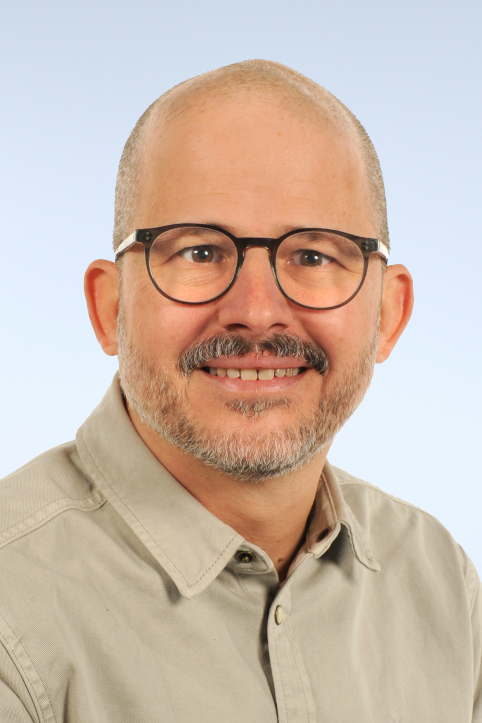 Ivan G. Costa is a Professor for Computational Genomics at the RWTH Aachen. After graduating in computer science in 2003 at the Federal University of Pernambuco (Brazil), he joined the Max Planck Institute for Molecular Genetics (Germany) to pursue doctoral studies in bioinformatics. In 2017, he established a research group on computational genomics at the RWTH Aachen Medical Faculty (www.costalab.org). His research interest involves statistical machine learning approaches to dissect transcriptional and regulatory programs controlling cellular changes in cell differentiation and in the onset of diseases. He currently emphasizes computational methods to understand how cellular microenvironment changes cause or support disease processes by integrative analysis of transcriptional, chromatin and spatial status of single cells.
Lecture title and abstract: From Cells to Samples: Algorithms for Multi-Scale Analysis of Spatial Disease Atlases
While clinical applications represent the next frontier in single-cell and spatial genomics, computational methods for disentangling cellular- and sample-level changes underlying disease remain limited. This challenge stems from the inherently multi-scale and multi-modal nature of these data: each sample comprises complex tissue structures and diverse cell populations, making direct comparisons across samples difficult. In this talk, I will demonstrate how combining optimal transport with deep learning and graph-based methods enables robust sample-level analysis of single-cell disease atlases. In particular, I will highlight how these approaches can be used to infer disease trajectories associated with heart and kidney diseases.
 Christine Orengo is a computational biologist, whose core research has been the development of robust algorithms to capture relationships between protein structures, sequences and functions. She has built one of the most comprehensive protein classifications, CATH, used worldwide by tens of thousands of biologists, and central to many pioneering structural and evolutionary studies. CATH structural and functional data for hundreds of millions of proteins has enabled studies that revealed essential universal proteins and their biological roles, and extended characterisation of biological systems implicated in disease e.g. in cell division, cancer and ageing. CATH functional sites have revealed protein residues implicated in enzyme efficiency and bacterial antibiotic resistance. This data also identified genetic variations likely to be driving human diseases and the drugs that can be repurposed to offset the pathogenic effects.
Christine was the President of the International Society of Computational Biology (ISCB), 2021-2024. She is a Fellow of the Royal Society of Biology and Elected member of EMBO since 2014, and a Fellow of ISCB since 2016. She is a Fellow of the Royal Society since 2019. She is a founder of ELIXIR 3DBioInfo Structural Bioinformatics Community.
Lecture title and abstract: CATH and TED reveal novel insights into protein evolution and protein design
The recent development of the AlphaFold2 method by DeepMind, has led to a massive expansion in high quality protein structure data. Our group have developed AI-based protocols (Chainsaw, ContrasTED) to classify these structural data into evolutionary families. In collaboration with the group of David Jones, also at UCL, we have classified >600 million predicted structures in the AlphaFold Database (AFDB) and ESMAtlas into evolutionary families. Our analyses of AFDB and ESMAtlas revealed thousands of new folds and tens of thousands of new superfamilies. This information is available in a new resource – TED – The Encyclopaedia of Domains. We have also developed AI-based methods for subclassifying proteins in evolutionary families into functional families. In the talk I will present some insights from TED and describe how we are using the TED data and our functional families to explore protein function evolution and to improve protein design.
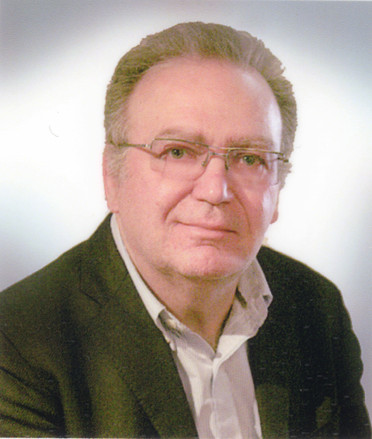 Graziano Pesole is full professor of Molecular Biology in the University of Bari A. Moro and Associate Researcher of CNR-IBIOM, Director of “Consorzio Interuniversitario Biotecnologie (Trieste), Head of the Italian Node of ELIXIR, the European Research Infrastructure for Life Science.
Bibliometric facts: h-index: 87 (Google scholar), 80 (ResearchGate), 73 (Scopus); peer-reviewed publications: >400; sum of Times Cited without self-citations: >30,000; Scopus link: 7005831630.
Graziano Pesole has since long carried out research activity in the fields of bioinformatics, comparative genomics and molecular evolution. His current research interests are focused on bioinformatics applications for the management and analysis of next generation sequencing data, also at single-cell and spatial resolution. He has developed several specialized databases and widely used analysis software and algorithms which are available as standalone software or through the web. He leads a large interdisciplinary research group including molecular biologists, bioinformaticians and computer scientists.
He has been PI for several research projects funded by national (MIUR, CNR, Telethon, AIRC, AISM, ARISLA) and international (EU, NIH) agencies and currently leading several research projects funded by the Italian PNRR including the leadership of the Biocomputing spoke of the National Center for Gene Therapy and Drugs based on RNA technology (Total budget of the last 10 years: >10M€). He also filed several international patents.
He is member of the Editorial Board of several high-profile journals, and co-author of books on Bioinformatics, Genomics and Molecular Biology published by Italian (Zanichelli, Ambrosiana, Gnocchi) and international (Wiley) editors.
Lecture title and abstract: Accurate Genotyping and Tissue-Specific Expression Analysis of the Human Mitochondrial Genome integrating whole genome and direct long-read RNA sequencing data
The accurate functional characterization of the human mitochondrial genome is hindered by technical limitations of short-read sequencing, including the confounding presence of nuclear mitochondrial DNA segments (NUMTs) and the inability to resolve full-length transcripts and RNA modifications. Here, we present an integrated and scalable framework that integrates whole-genome sequencing (WGS) and direct long-read RNA sequencing (dRNAseq) to achieve high-resolution genotyping and tissue-specific expression profiling of the human mitochondrial genome.
A key innovation of our approach is the use of MitSorter1, a methylation-aware computational approach that exploits intrinsic epigeneti differences between mitochondrial DNA (mtDNA) and NUMTs to accurately discriminate theirs reads from Oxford Nanopore sequencing data. This strategy enables, for the first time, unbiased and tissue-consistent mtDNA genotyping. By analyzing matched whole-genome sequencing (WGS) and direct RNA sequencing of 73 samples from 15 different tissues, we accurately assessed tissue-specific mtDNA expression.
Long-read RNA sequencing uniquely enables the direct characterization of full-length mitochondrial transcripts and their precursors, providing insights into transcript size distributions and RNA processing dynamics that are not accessible with short-read technologies. Importantly, the integration of DNA- and RNA-based variant calling allows us to systematically link mitochondrial genetic variation to its transcriptional output across tissues. Furthermore, by leveraging native RNA sequencing signals, we directly profile post-transcriptional modifications and polyadenylation landscapes, identifying tissue-specific regulatory signatures that remain invisible to conventional sequencing approaches.
Overall, our study establishes a new paradigm for mitochondrial genomics by coupling accurate genotyping with direct transcriptomic and epitranscriptomic profiling in a tissue-specific context. This integrative strategy not only resolves long-standing technical challenges but also opens the way to a deeper understanding of mitochondrial regulation, with broad implications for studies of metabolic disorders, aging, and mitochondrial-related diseases.
 Paul Thomas. Trained in computational biology (specifically computational protein folding using statistical-mechanics based techniques with Dr. Ken Dill), Dr. Thomas turned to genomics as soon as the Human Genome Project began pilot work in 1995. The culmination of this early work was the publication of the paper describing the sequencing of the first human genome in 2001; Dr. Thomas led the work described in the 10-page section of the paper entitled "An overview of the predicted protein coding genes in the human genome." Since that time, Dr. Thomas's group has continued to innovate in the area of computational analysis of genomic data, with an emphasis on gene function and evolution. Recent advances in the work on defining human gene functions and their evolution were published in Nature. In addition to founding and continuing development on the PANTHER phylogenomics project, Dr. Thomas is a director of the Gene Ontology Consortium, one of the largest and best-known bioinformatics projects in the world.
Lecture title and abstract: Homology as a tool for predicting gene functions: what are the limitations and can we push past them?
Due to advances in DNA sequencing technology, we now know the sequences of billions of distinct proteins, yet only a miniscule fraction of these have been functionally characterized. Predicting the function of these proteins, and helping prioritize their experimental investigation, has been the focus of my group’s research for decades. Specifically, we have been working to push past apparent limitations in the use of homology as a tool to predict function. Starting with the massive success of sequence search algorithms like BLAST, predicting gene functions by transferring knowledge among proteins with similar sequences has arguably been the most successful method for predicting the functions of unknown proteins. But this approach faces many challenges that limit its effectiveness. I will discuss some of the biggest challenges, and how my lab and collaborators have worked to address these challenges through bioinformatics and biocuration. I will also present the current state of our progress as published last year (Feuermann et al., Nature 640:146, 2025) and even more recent, still unpublished, work.
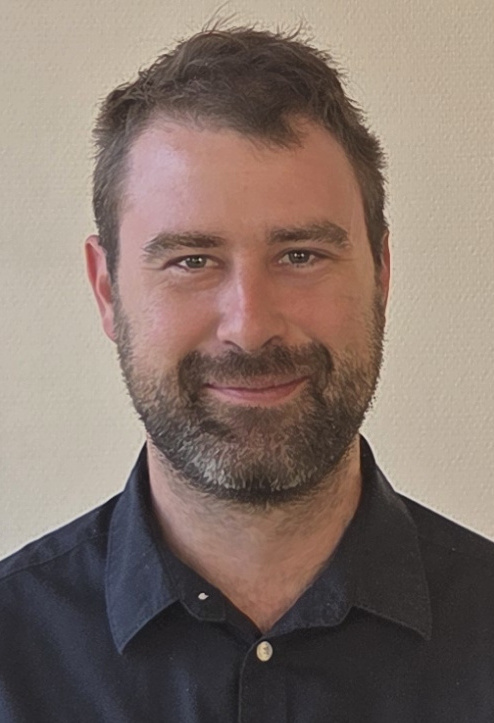 Gábor Erdős is an Assistant Professor and Principal Investigator at the Department of Biochemistry at Eötvös Loránd University (ELTE), Hungary, where he leads the Protein Dynamics Research Group. Trained as a bioengineer, he holds a PhD in structural biochemistry and has a decade of experience in bioinformatics. His career spans ten years of academic research alongside specialized experience in the pharmaceutical industry, with professional activity in Argentina and extensive collaborations across Europe, particularly in Italy and Israel. His research expertise centers on the characterization of intrinsically disordered proteins through the integration of biophysical concepts and advanced computational approaches.
His work focuses on developing novel predictive methods for both general and functional protein disorder, with the goal of bridging artificial intelligence and biophysics. To this end, he employs a broad range of methodologies that includes machine learning, molecular dynamics simulations, and statistical mechanics to investigate the complex behavior and functional roles of intrinsically disordered proteins.
In addition to his research activities, he plays an active role in several major international initiatives. He serves as Co-lead of the ELIXIR IDP Community and as the Hungarian Representative for COST. He is also a core member of the ML4NGP COST action, IDP2Biomed twinning project and a contributor of the IDPFun2 project.
Lecture title and abstract: Zero-Shot Prediction of Thermodynamic Properties of Proteins
The thermodynamic properties of proteins are fundamental to understanding their function, dysfunction, and evolution. However, experimental characterization of these properties, especially for intrinsically disordered proteins (IDPs) that exist as dynamic conformational ensembles, remains a significant challenge. Computational methods have emerged as a powerful alternative, yet they often require extensive training on protein-specific data, limiting their ability to generalize. Here, we present a novel transformer based message parsing graph neural network (trMPNN) architecture for the zero-shot prediction of protein thermodynamic properties. By representing proteins as graphs our model learns the underlying physicochemical principles governing protein thermodynamics while retaining speed that allows for the analysis of complete proteomes. The network was trained by maximizing the probability of the native structure against a set of decoys, guided by the Boltzmann distribution, allowing it to learn a transferable energy function. This approach enables accurate predictions on proteins not seen during training, overcoming a major limitation of previous methods. We demonstrate the power of our network highlighting two key areas. First, we show its ability to predict ensemble-averaged thermodynamic properties of IDPs, providing insights into their unique conformational landscapes. Second, we showcase its accuracy in predicting absolute protein stability (ΔG values), a critical factor in protein engineering and disease pathogenesis. Our model achieves state-of-the-art performance in both tasks, with predictions in excellent agreement with experimental data. The zero-shot capability of our GNN opens up exciting avenues for high-throughput screening of protein stability, the design of novel proteins with desired thermodynamic properties, and a deeper understanding of the complex interplay between sequence, structure, and thermodynamics in the proteome.
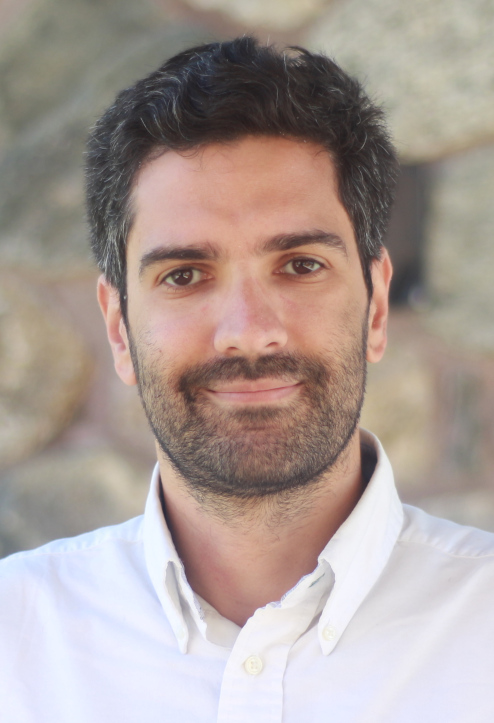 Filippo Utro is a Senior Research Scientist at IBM Research, based at the T. J. Watson Research Center in Yorktown Heights, New York, where he is a member of the IBM Quantum team. His work lies at the intersection of quantum computing, machine learning, and computational biology, with a focus on developing computational methods for life‑science and healthcare applications.
Before joining the quantum research group, Filippo carried out extensive research in computational genomics and bioinformatics, designing algorithms for the analysis of large‑scale omics and multimodal biological data across different diseases and organisms. His work has addressed problems including cancer drug resistance, feature selection, and integrative data analysis, contributing reusable technologies with applications across multiple disease areas.
In recent years, his research has increasingly focused on quantum and hybrid quantum–classical approaches for biological and biomedical data analysis, including quantum machine learning, graph‑based methods, and network models. His work explores how quantum computing can be rigorously evaluated and integrated with classical approaches to advance the analysis of complex biological systems. In parallel, Filippo is actively engaged in community‑building efforts at the interface of quantum computing and life sciences, contributing to international conferences, special sessions, and tutorials in this emerging field.
Lecture title and abstract: From Classical to Quantum: New Computational Paradigms for Life Sciences
Recent advances in computational methodologies have profoundly impacted the study of complex biological systems. In parallel with the maturation of classical machine‑learning approaches, quantum computing is emerging as a potential complementary paradigm, motivating the exploration of new representations and modeling strategies for high‑dimensional and structured biological data.
In this talk, I will present selected research contributions on the development and application of quantum and hybrid quantum–classical methods for life‑science applications, with a particular focus on immunotherapy, biological networks and omics data analysis. Building on prior work in computational genomics, multimodal data integration, and disease modeling, I will discuss how selected ideas from quantum computing can be explored within existing machine‑learning pipelines, with an emphasis on rigorous evaluation.
I will discuss approaches based on quantum for life science and describe open‑science initiatives and software frameworks, including QBioCode, developed to facilitate experimentation, benchmarking, and reproducibility of quantum algorithms in bioinformatics settings.
The presentation will conclude with a critical discussion of opportunities, current limitations, and future directions of quantum computing for life sciences, highlighting the importance of realistic benchmarks, hybrid strategies, and close collaboration between the quantum, machine‑learning, and bioinformatics communities.